Breathing Checklist for Anxiousness: Recognizing the Signals
Do you ever feel a tightness in your chest and shortness of breath right now? I have. It is the experience of suddenly being overwhelmed by anxiety for no reason, your whole body freezing up, and even breathing becoming difficult. Honestly, it’s not something you can easily brush off by saying you’re fine.
Regulating your breathing when you feel anxious is a very simple yet powerful method that can bring you some comfort, much like slightly opening a clenched fist. However, you might be thinking, "Isn't it enough to just breathe?" You are likely wondering what the correct method is, what precautions to take, and which breathing technique works best for you. From now on, I will share breathing techniques and practical tips that you can effectively use when feeling anxious.
Why Does Breathing Help Relieving Anxiety?
Anxiety activates our body's 'fight or flight' system. In other words, when we feel threatened, we react by trying to fight or flee. During this process, our heart rate increases and breathing becomes rapid, which can further worsen anxiety symptoms. However, consciously controlling your breathing has the effect of firing a signal to calm this system.
In particular, deep, slow breathing activates the parasympathetic nervous system, which helps lower heart rate and stabilize blood pressure. Just like listening to calming music, it relaxes both the body and mind.
✨ 3 Practical Checklist Items ✨

- Sit or lie down and assume a comfortable position. A stiff body can make breathing more difficult.
- Slowly and deeply inhale through your nose, and slowly exhale through your mouth. Feel your belly expand as you inhale.
- Focus on your breathing. It is important to put other thoughts aside for a moment and concentrate solely on the sensation of breathing.
Choose this for situations like this
'Choose this when' : This is an effective method when you are suddenly overwhelmed by extreme anxiety or want to calm your mind immediately. For example, it can be helpful to use when you are nervous before a presentation or when facing an unexpected problem.
I didn't know there were so many different types of breathing techniques.
There are various breathing techniques that can help relieve anxiety. Since each method differs slightly in its effects and purpose, it is important to find a method that suits you and practice consistently. It is recommended to start with short practice sessions and gradually increase the duration as you become more familiar with them.
1. Abdominal breathing
This is the most basic breathing technique, involving inhaling and exhaling using your abdomen. When practicing abdominal breathing, it is important to use your diaphragm to breathe deeply. It may feel awkward at first, but with consistent practice, it will become natural.
2. 4-7-8 Breathing Method
This is a breathing technique where you inhale through your nose for 4 seconds, hold your breath for 7 seconds, and exhale slowly through your mouth for 8 seconds. This technique has the effect of calming the nervous system and inducing sleep, so it is also helpful in relieving insomnia.
3. Alternating breaths (Nadi Shodhana)
This is a breathing technique where you block one nostril and inhale through the other, then block the nostril and exhale through the opposite nostril. This breathing technique is effective in balancing the left and right sides of the brain and calming the mind and body.
🤔 Honestly, is there a breathing technique that suits me?
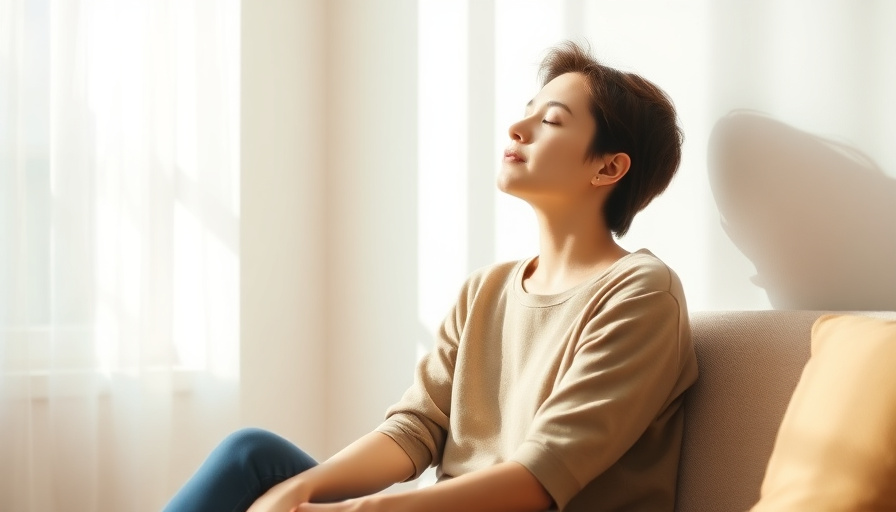
Honestly, not all breathing techniques are equally effective for everyone. Some people may find abdominal breathing comfortable, while others may find the 4-7-8 breathing method more effective. It is important to try various breathing techniques, find the one that suits you best, and practice consistently. It is recommended to start with short practice sessions and gradually increase the duration as you become more familiar with the process.
You might be wondering , "How much of a price difference is there?" The breathing technique itself costs nothing. However, you can purchase apps or devices to assist with breathing exercises. While these products vary in price, they are not strictly necessary. Utilizing free apps or online resources is also a good option.
🧘♀️ Things you can do according to energy levels

⚡️ Recharge your energy! An active day
- Rapid Abdominal Breathing: Invigorate your body by breathing deeply in and out for one minute.
- Alternating Breathing + Stretching: After calming your mind and body with alternating breathing, please release tension with light stretching.
😴 Recover from fatigue! A day that needs rest
- 4-7-8 Breathing Method: Take a deep rest while repeating the 4-7-8 breathing method for 5 minutes.
- Meditation + Abdominal Breathing: Sit in a comfortable position and try a short meditation while practicing abdominal breathing.
🧘♀️ Peace of mind! A day I want to spend calmly
- Alternating Breathing: Calm your mind and body and find mental balance through alternating breathing for 10 minutes.
- Quiet Breathing: Without any special breathing techniques, focus on your natural and comfortable breathing and stay in the present moment.
⏰ A 5-Minute Routine You Can Do Today
- 5-Minute Abdominal Breathing: Sit or lie down comfortably and practice abdominal breathing steadily for 5 minutes.
- 5-Minute 4-7-8 Breathing: Relieve tension by repeating the 4-7-8 breathing technique for 5 minutes.
- 5 Minutes of Alternating Breathing + Stretching: After calming your mind and body with alternating breathing, stretch your neck, shoulders, arms, etc. for 5 minutes.
In conclusion
Anxiety is an emotion that can affect anyone. However, it is important not to be overwhelmed by it, but to overcome it in your own way. Breathing control is one of the simple yet effective methods that helps alleviate anxiety. Practice the breathing techniques introduced today consistently, and try to find and implement the method that works best for you. Remember, small changes can lead to big results.
If your anxiety is severe or interferes with your daily life, it is important to seek professional help. Do not try to solve it on your own; do not hesitate to seek counseling.