Depression Checklist: Recognizing the Warning Signs
Have you been feeling depressed lately? It feels like days are continuing where you lack energy for no reason, find no joy in anything, and can't sleep properly. I’m sure many of you are suffering in silence, thinking, "I can’t be the only one." Honestly, I was like that too. I think it was especially difficult because of experiences that were hard to confide in those around me.
Depression is an emotion that can affect anyone. However, if left untreated, it can significantly impact daily life, so proper management is necessary. From now on, I will share a few methods that can help alleviate depression and take care of yourself.
When things get tough, start with a small break for yourself.

There are days when your energy is completely depleted, and you just can't bring yourself to do anything. You might find yourself lying in bed all day staring blankly, or struggling even to manage to sit up. On such days, it is important to rest as much as possible rather than engaging in strenuous activity. Watching video content like Netflix or listening to your favorite music are good options. However, getting too immersed can actually lead to accumulated fatigue, so it is best to set a set amount of time for your rest.
Personalized relaxation routines based on energy levels
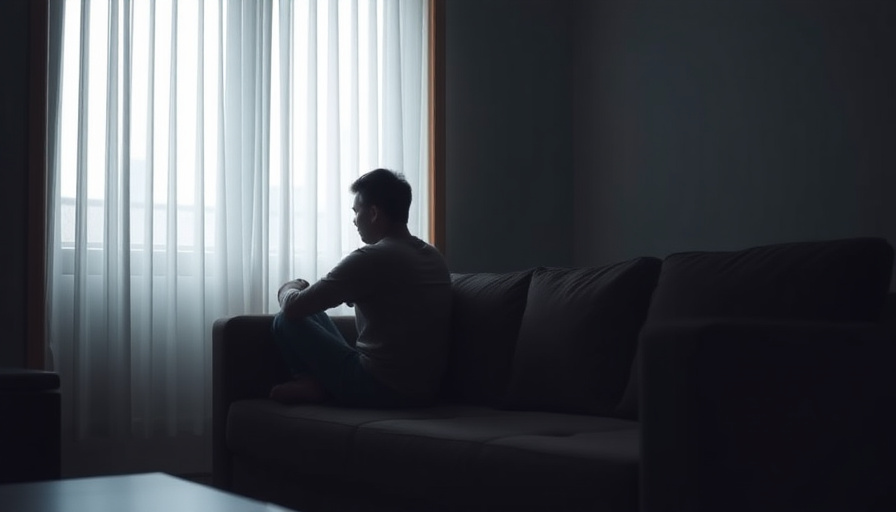
It is important to vary your relaxation methods based on the severity of your depression and your current energy level. The following are recommended relaxation routines based on energy levels.
- If you are extremely exhausted and find it difficult to move: Focus on relaxing your body and mind as much as possible, such as by soaking in warm water or listening to quiet music.
- If you have a little energy left: Move your body and mind little by little through light stretching or meditation.
- If you have a moderate amount of energy: Engage in activities that bring you joy, such as reading a favorite book or taking a light walk.
- Soaking in warm water: Warming your body relaxes muscles and promotes blood circulation, which can provide a sense of psychological stability.
- Light Stretching: Loosen up your body with light stretching rather than strenuous exercise. It helps relieve tension and restore vitality.
- Sunbathing: Exposure to sunlight generates Vitamin D, which helps improve your mood. Taking a walk in the sun, even for a short while, is also beneficial.
I made it a habit to soak in warm water whenever I felt depressed. At first, I didn't think it would be very effective, but as I practiced consistently, I actually felt my mood improving. As my body relaxed and my mind became at ease, I experienced my depression gradually lightening. Of course, soaking in water alone doesn't solve all problems, but I realized that small changes can be a great source of strength.
Another thing that helped was reducing smartphone usage time before going to sleep. The blue light emitted from smartphones interferes with sleep, and sleep deprivation can worsen depression. It is recommended to refrain from using your smartphone for an hour before bed and engage in relaxing activities such as reading a book or meditating.
One standard I must not give up on: Being kind to myself

It is easy to become stricter with yourself when you are feeling down. However, expecting too much from yourself and trying to be perfect can actually make things more difficult. It is important to be kind to yourself and praise even small achievements. You should cherish and encourage yourself just as you would a friend. Simply telling yourself, "It's okay, you're doing well," can be a great source of strength.
If you feel overwhelmed doing it alone, ask for help from those around you.
If you find it difficult to overcome depression on your own, do not be afraid to ask those around you for help. Simply talking honestly about your feelings to family or friends and receiving comfort and encouragement can be a great source of strength. Of course, you may not be able to confide in everyone. However, it is best to talk to at least someone you can trust.
If your depression is severe and interfering with your daily life, it is advisable to seek professional help. Consulting with a psychiatrist or counseling specialist, or receiving medication, can be helpful. Do not hesitate to seek professional help when you find it difficult to cope alone. You are not alone.
Things that change after actually using it
Depression may not disappear easily. However, you can certainly overcome it if you consistently take care of yourself, communicate with those around you, and seek professional help if necessary. Start making small changes right now. You can definitely make it happen.
A 5-Minute Routine You Can Do Today
- Deep breathing exercise: Close your eyes and take 5 slow, deep breaths. Try to feel your belly expand as you inhale and contract as you exhale.
- Think of 3 things to be grateful for: Try to think of three things you were grateful for today. Even small and trivial things are fine.
- Stretching: Gently stretch tight muscles in the neck, shoulders, lower back, etc.
If you experience extreme depression or suicidal impulses, immediately contact your local emergency hotline (1577-0199) or Hope Hotline (129), or visit a nearby mental health clinic.
Checklist to find the right method for me
- Journaling Emotions: Try taking time every day to record your emotions. It helps you identify what emotions you feel in different situations.
- Maintaining regular lifestyle habits: Regular sleep, meals, and exercise help alleviate depression.
- Enjoying Hobbies: Relieve stress and find joy through your favorite hobbies.
Depression may not disappear easily. However, you can certainly overcome it if you consistently take care of yourself, communicate with those around you, and seek professional help if necessary. Start making small changes right now. You can definitely make it happen.
If you experience extreme depression or suicidal impulses, immediately contact your local emergency hotline (1577-0199) or Hope Hotline (129), or visit a nearby mental health clinic.
Source/Verification Memo
This document is organized based on the figures and items found in the comparison table. Content not included in the table has been added solely from a general perspective, such as 'cautions or checkpoints.' External URLs and direct links are not included, and unverified figures are not used.
Update Date
Updated as of April 12, 2024. (Prices, stock, benefits, etc. are subject to change.)
Caution/Disclaimer
This is for informational purposes only and does not constitute a medical diagnosis or treatment instruction. In case of a crisis or emergency (including thoughts of self-harm or suicide), please seek immediate assistance from your local emergency number or a specialized agency. If symptoms persist or daily functioning declines, professional consultation or medical treatment is recommended.
Selection criteria
- Define my situation (budget/usage pattern) in a single line, then narrow down the candidates based on that criterion.
- Use indicators (ratings/reviews) only as a supplement, and check for condition mismatches first.
- Excessive features can only increase costs, so we will categorize them into 'essential/optional'.